





How Long Does It Take To Charge An Electric Car
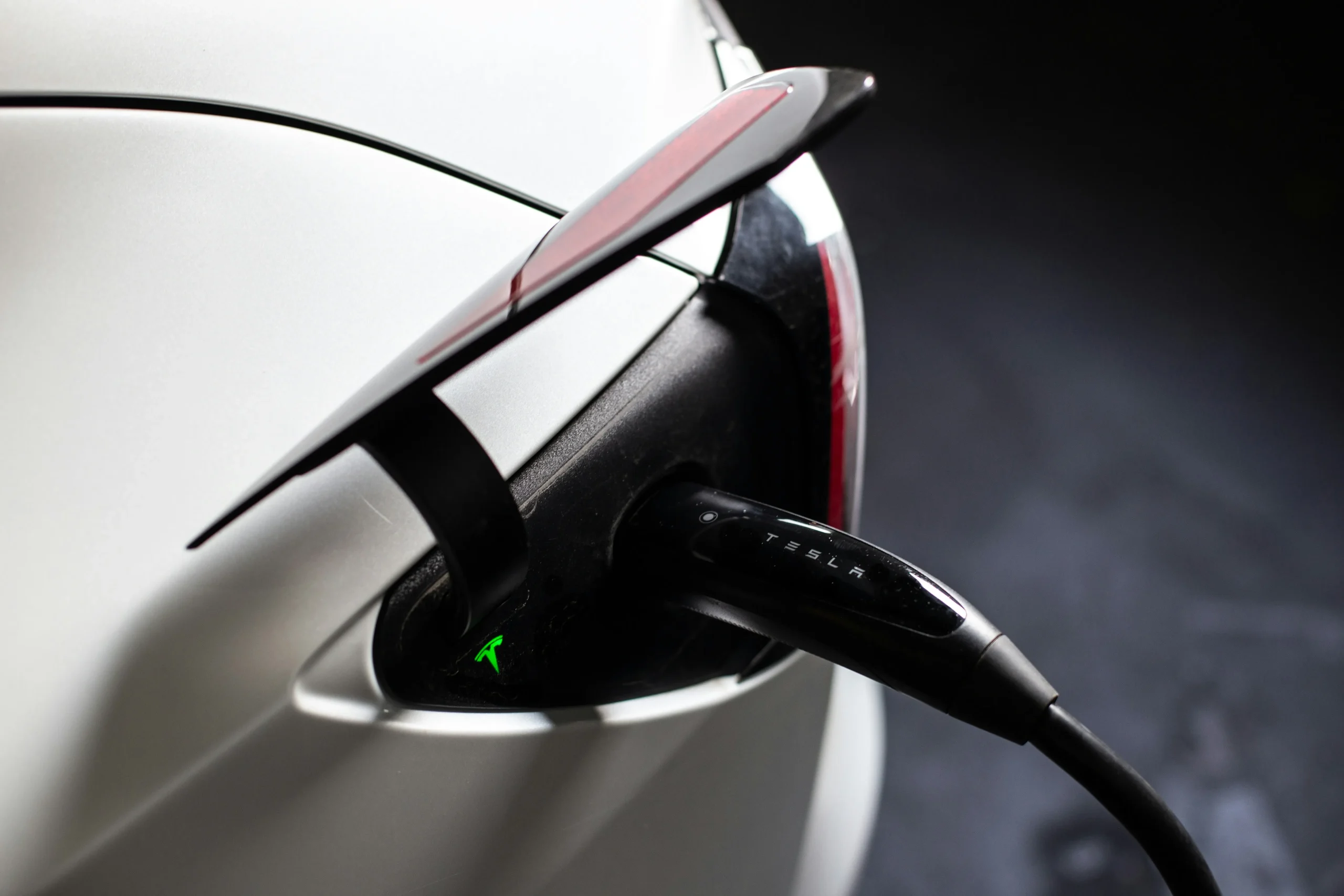
The time to charge an electric car can vary on many different aspects. The typical amount of time can range from 20 minutes to overnight, but we are here to break down what affects its speed, how often you should charge your car and how to be prepared for longer trips. Look straight into our EV installation services if you would like!
Typical Charging Times
These are rough estimates, assuming average efficiency and conditions:
60 kWh battery (common EV size)
- Home socket (2 to 3 kW): about 24 to 30 hours (0 to 100%)
- Home wallbox (7 kW): about 9 to 10 hours (0 to 100%)
- Public AC (11 kW): about 6 to 7 hours (0 to 100%)
- Rapid DC (50 kW): often 60 to 90 minutes (10 to 80%)
- Ultra-rapid DC (150 kW+): often 20 to 35 minutes (10 to 80%)
You may be wondering why DC numbers use 10 to 80%? That is because fast charging slows down a lot after 80%. We will explain that further down the page.
Charge 'Calculator'
If you want a rough idea of how long a charge will take, you can estimate it with this (best for AC charging):
Time (hours) ≈ (Battery size in kWh × % you want to add) ÷ (Charger power in kW × 0.85 – 0.95)
That 0.85 – 0.95 factor accounts for real-world losses and the fact charging isn’t perfectly efficient.
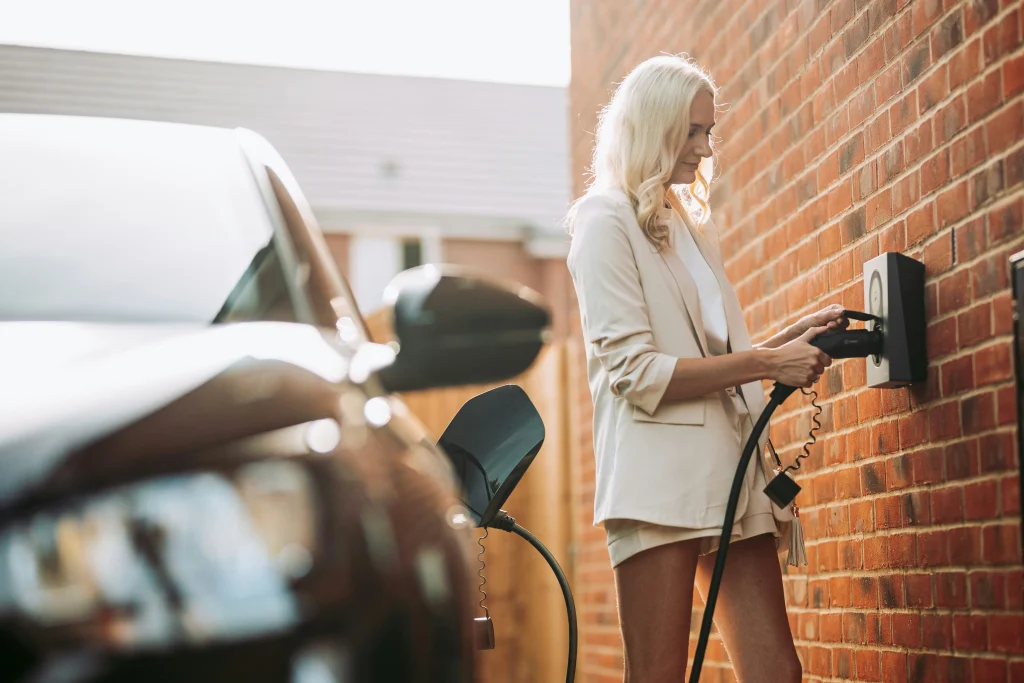
AC vs DC Charging: What Is The Difference?
This is where a lot of confusion comes from.
AC charging (home and many public posts)
- Usually slower
- Great for overnight or long parking sessions
- Speed depends heavily on your car’s onboard charger (often 7 to 11 kW)
DC charging (rapid and ultra-rapid)
- Usually much faster
- Best for topping up quickly on longer trips
- Speeds vary based on car + charger + battery conditions
How Often Should You Charge Your Car?
For most drivers, the best approach is boring in a good way:
Small top-ups work
If you can, plug in little and often rather than running it down to nearly empty. It’s convenient, and many batteries prefer it.
A good everyday habit for many EVs
- Try to live mostly between 20% and 80%
- Charge to 100% when you actually need the range (like before a trip)
- Don’t leave the car sitting at 100% for long periods unless your manufacturer says it’s fine
Why? – Because keeping most lithium-ion EV batteries at 100% for long periods can add stress and slightly speed up long-term battery wear, especially in warm conditions. Charging to 100% for a trip is fine. Just try not to leave it sitting full for days unless your manufacturer says it’s OK.
Different battery types and manufacturers have different guidance, so it’s always worth checking the recommendations for the specific model. But the pattern above works well for many drivers.
Why Is Charging Better Than Fuel?
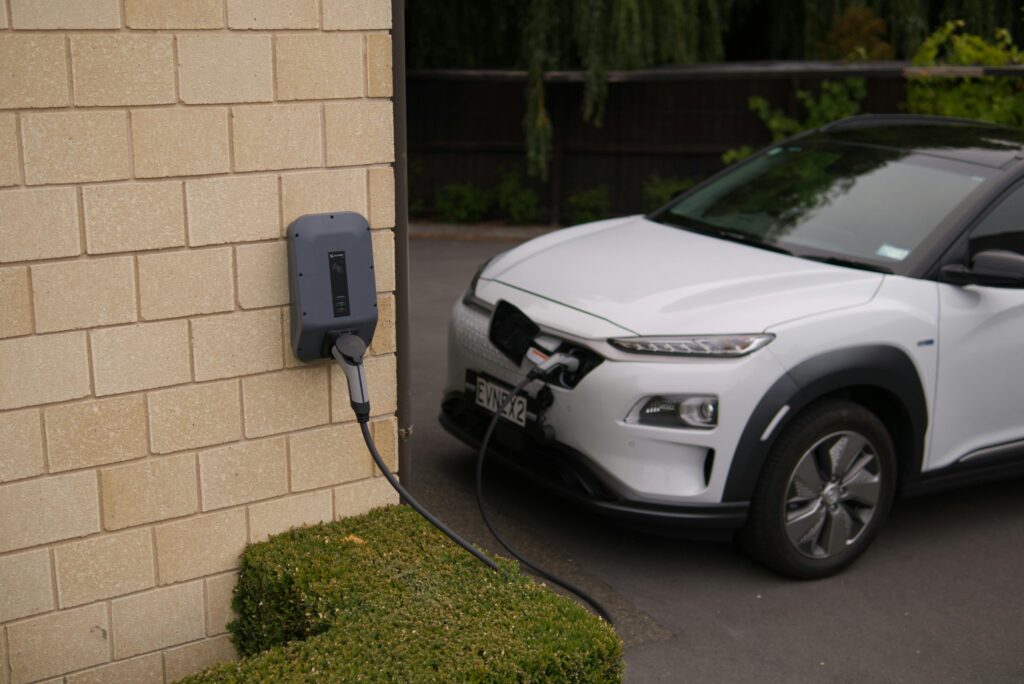
Charging an electric car is often a better option than fuelling a petrol or diesel one because it makes everyday driving cheaper, simpler, and more efficient. Instead of paying pump prices and making a separate trip to a forecourt, you can plug in at home and “refuel” while you sleep, or top up while you’re parked at work or the shops.
For many UK drivers, the cost per mile is typically lower with electricity, especially if you use off-peak tariffs, and EVs generally need less routine maintenance because there’s no oil to change and fewer moving parts to wear out.
On top of that, charging supports a cleaner driving experience with no tailpipe emissions where you’re travelling, plus a quieter, smoother ride with instant acceleration. And unlike fuel, electricity gives you more flexibility too. You can choose greener tariffs or even pair charging with solar at home, helping you take more control of both your running costs and your environmental impact.
Preparing For Longer Trips
Preparing for a longer EV trip is mostly about planning your charging stops the way you’d plan breaks, rather than trying to “fill the tank” in one go. The quickest approach is usually to aim for rapid top-ups between roughly 10% and 80%, because most cars charge fastest at lower battery levels and slow down noticeably after around 80%.
Before you set off, choose charging locations that give you options, like larger sites with multiple bays, and build in a small buffer so you’re not arriving at a charger with the range warning flashing, especially at busy times or on routes with fewer alternatives.
If your car supports battery preconditioning, use the built-in sat nav to route to the charger so the battery is at the right temperature on arrival, which can make a real difference to charging speed in colder weather. It’s also worth sorting payment methods and apps ahead of time, since some networks require their own app or contactless setup.
Finally, plan to charge while you’re already stopped for something useful like food, a coffee, or a comfort break. Done well, charging becomes part of the journey rhythm rather than an extra delay.
Contact Us Today For Our EV Services
If you’re thinking about switching to an electric vehicle or want to make charging at home simpler and faster, we can help. From advice on the right setup for your property to professional installation and ongoing support, our EV services are designed to keep your charging safe, reliable, and convenient. Contact us today to discuss your requirements, get a quote, or book a visit.